March 2026

Antichurch

The Human-Divine Heresy of Vatican II’s Church Synthesis

[EWTN News] reports that “Pope” Leo XIV, the current occupier of the Apostolic See since the death of the last true Pope, Pius XII, in 1958, delivered a catechesis on March 4, 2026, focusing on the conciliar document Lumen gentium. The usurper’s central theme was the Church’s “human and divine dimensions,” which he described as coexisting “without separation and without confusion.” He asserted that the Church is “a reality that is both human and divine, which welcomes the sinful man and leads him to God,” and that there is “no opposition between the Gospel and the institution of the Church.” This teaching, presented as a profound mystery, is in fact the precise synthesis of naturalism and Gnosticism condemned by the pre-conciliar Magisterium, representing the theological bankruptcy of the post-1958 “Church.”

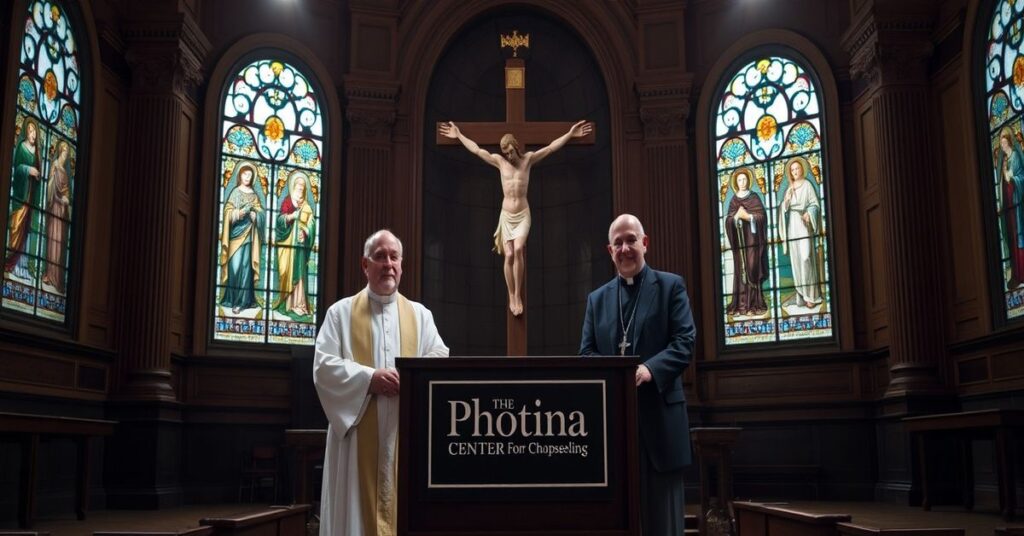
Antichurch

The Conciliar Sect’s “Quo Vadis?”: Anthropological Humanism Masking Apostasy

The International Theological Commission (ITC), an organ of the post-conciliar “Conciliar Sect” occupying the Vatican, has published a document titled Quo vadis, humanitas? under the approval of the antipope “Leo XIV” (Robert Prevost). The text addresses artificial intelligence and posthumanism, framing the challenge in terms of “Christian anthropology” and “integral vocation,” centering on the conciliar constitution Gaudium et spes. It warns of risks like ecological debt, the loss of identity in the “infosphere,” and the threat of AI to human uniqueness, while promoting “relationship” as the antidote. The document’s core error is its complete substitution of the Social Reign of Christ the King with a naturalistic, immanentist humanism that silently rejects the entire pre-1958 Magisterium on the duties of states, the nature of the human person, and the absolute primacy of the supernatural order.

Scroll to Top
Antichurch.org
Privacy Overview

This website uses cookies so that we can provide you with the best user experience possible. Cookie information is stored in your browser and performs functions such as recognising you when you return to our website and helping our team to understand which sections of the website you find most interesting and useful.