Supreme Court Rejects Church Autonomy: The Conciliar Sect Faces the Consequences of Its Own Apostasy
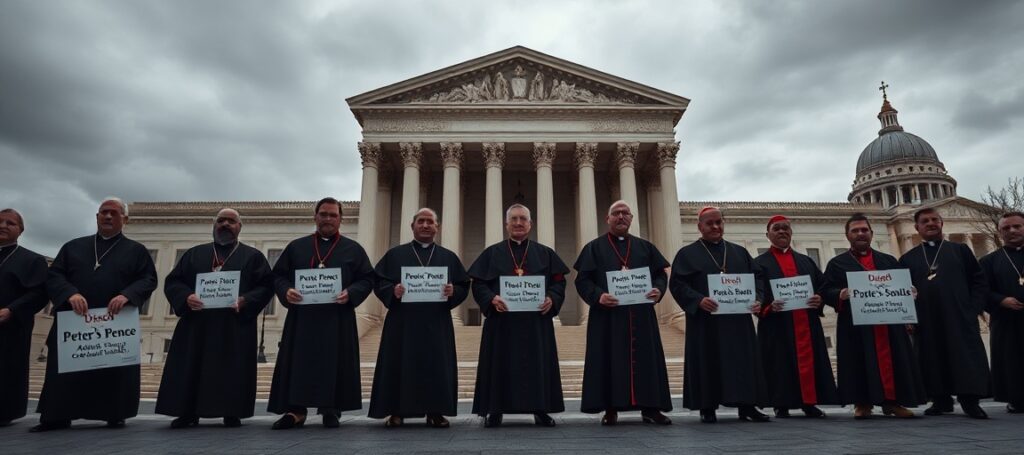
EWTN News reports that on May 26, 2026, the United States Supreme Court declined to intervene in a federal class-action lawsuit filed against the U.S. Conference of Catholic Bishops (USCCB) concerning the Peter’s Pence collection. The suit, initiated in 2020 by Rhode Island resident David O’Connell, alleges that the bishops systematically misled the faithful regarding the nature of this centuries-old papal offering—ostensibly collected for the poor and for emergency relief, but in reality funneled in part toward Vatican administrative expenses and dubious financial investments. The USCCB sought dismissal on the basis of the “church autonomy doctrine,” a principle in American jurisprudence that prohibits governmental interference in internal ecclesiastical affairs. Both the federal district court and the appellate court rejected this defense, and the Supreme Court’s refusal to grant certiorari ensures the litigation will proceed. Daniel Blomberg, senior attorney at the Becket Fund for Religious Liberty representing the USCCB, expressed disappointment but affirmed that the conference “remains committed to protecting the Church from unconstitutional government entanglement.” A coalition of religious organizations, including the Thomas More Society and the Lutheran Church–Missouri Synod, filed amicus briefs in support of the bishops’ position. The fundamental question, however, is far more grave than any legal procedural dispute: why must the “church autonomy doctrine” be invoked at all to shield an organization that has spent decades systematically dismantling the very faith it claims to protect?