Venezuelan Opposition Figure’s Faith: Naturalism Masquerading as Catholicism
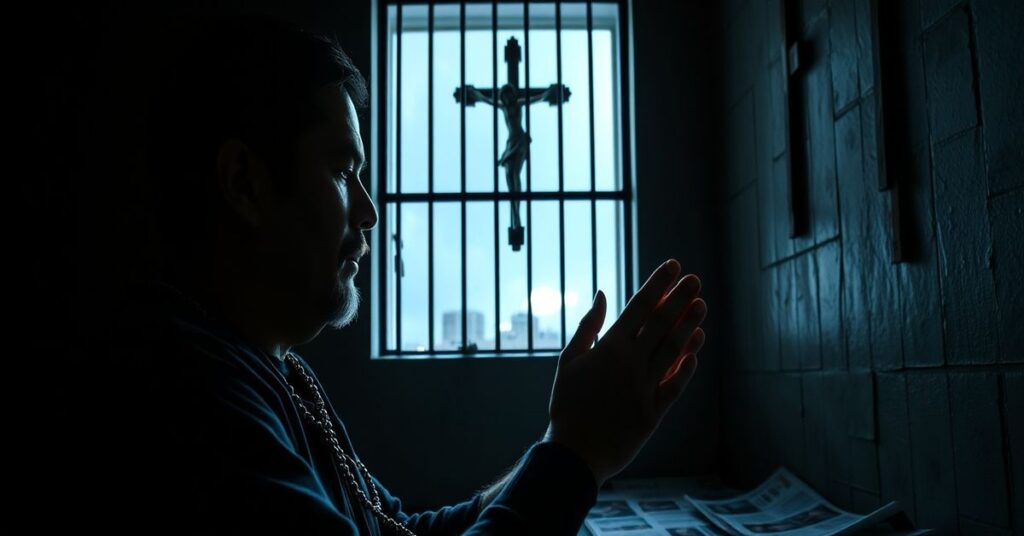
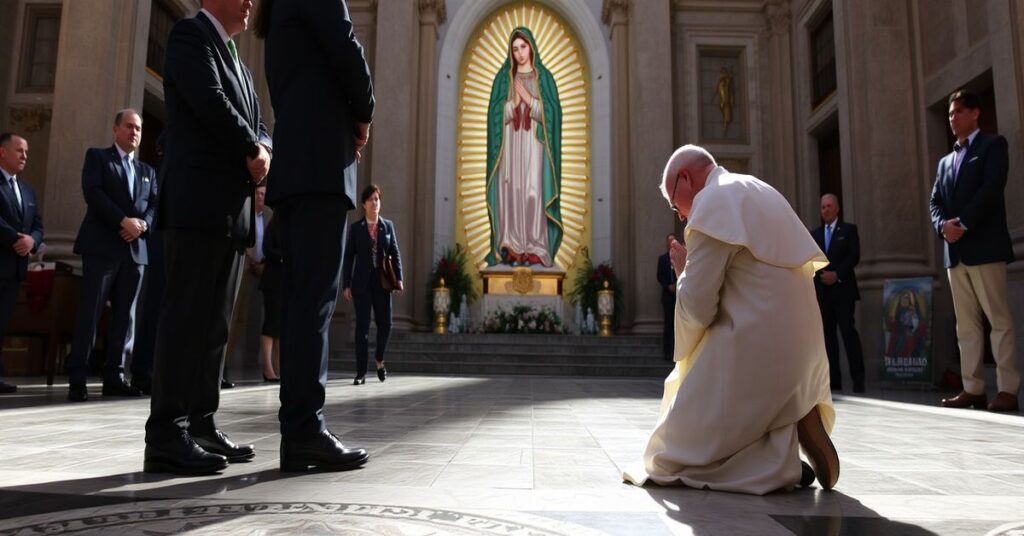
The Pillar portal reports on an interview with Juan Pablo Guanipa, a prominent Venezuelan opposition politician and recent political prisoner, focusing on his self-described Catholic faith during incarceration. Guanipa details his personal prayer routines, gratitude to God for all circumstances—including imprisonment—and his hopes for Venezuela’s democratic liberation. He expresses admiration for St. John Paul II and references the Opus Dei-influenced spirituality of his father. Regarding the role of the Church, he calls for it to “impulse the liberation of Venezuela” and work for “stabilization of democracy,” while urging “Santo Padre” (Pope Francis) to empathize with Venezuelan suffering and support a political transition. He defends his political alliances with those holding positions contrary to Catholic teaching (e.g., on abortion) by asserting a personal, non-negotiable pro-life stance while refusing to isolate himself from dissenters.
This narrative, while emotionally resonant, represents a profound theological and spiritual bankruptcy. It is a quintessential product of the post-conciliar “religion of the heart,” utterly devoid of the supernatural, hierarchical, and dogmatic substance that defines the una sancta Catholic Church. Guanipa’s faith is a private, psychological comfort system perfectly tailored to the naturalistic humanism condemned by Pope Pius IX’s Syllabus of Errors and St. Pius X’s Lamentabili sane exitu. It is a faith that can coexist with heresy, apostasy, and the public worship of false gods, because it has been reduced to a set of personal pious exercises and political aspirations, stripped of its exclusive claim to truth and its duty to reign over all aspects of society.