
Antipopes of the Antichurch
News feed
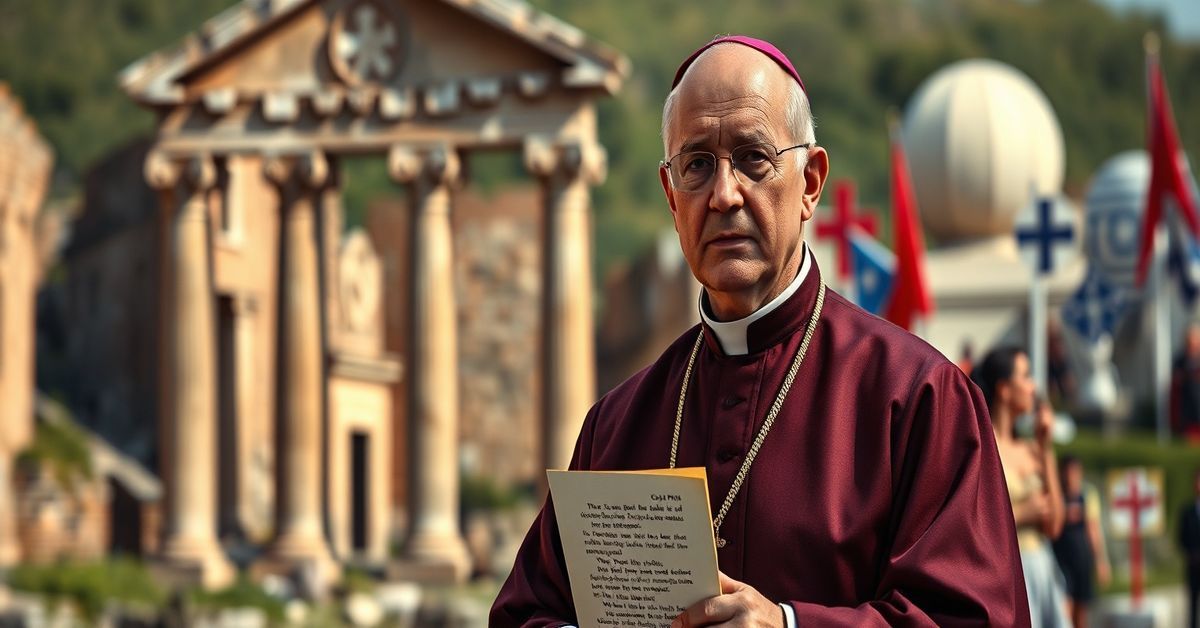
The ‘Essential Core’ Heresy: Vatican II’s Naturalistic Trojan Horse
The ‘Essential Core’ Heresy: Vatican II’s Naturalistic Trojan Horse
Summary of the Conciliar Sect’s Propaganda
The Vatican News portal reports that the head of the conciliar sect, “Pope Leo XIV,” a…

Conciliar Sect’s Naturalistic “Peace” Replaces Christ’s Kingship
[Vatican News] reports that the antipope “Leo XIV” received Major Archbishop Sviatoslav Shevchuk, head of the Ukrainian Greek-Catholic Church, for a private audience on February 12, 2026. The meeting centered on humanitarian aid—delivery of power generators amid winter—and a symbolic “dove of peace” sculpture wounded by war debris. Shevchuk thanked the “Holy See” for diplomatic efforts toward a “just and lasting peace,” emphasized the “global dimension” of his church’s mission, and renewed an invitation for the antipope to visit Ukraine. The article omits any reference to the supernatural mission of the Church, the Social Kingship of Christ, or the duty to convert nations from error. This naturalistic focus epitomizes the conciliar sect’s apostasy, reducing the Church to a humanitarian NGO while ignoring the reign of Christ the King over all societies.
Counseling in the Neo-Church: Naturalism Masking as Spiritual Restoration
The Vatican News portal reports on the ministry of Sr. Jacqueline Githiri, VDM, a member of the Visitation Daughters of Mary, a diocesan congregation founded in 2020 in the Archdiocese of Kisumu, Keny…
Varia
Announcement:
– News feed –implemented
– Antipopes separate web sites with their all documents refutation – in progress