
Antipopes of the Antichurch
News feed
The March for Life in Mexico: A Courageous Witness to the Sanctity of Human Life
EWTN News reports that Auxiliary Bishop Francisco Javier Acero of the Primatial Archdiocese of Mexico has encouraged participation in the April 25 March for Life in Mexico City, emphasizing the need to “care for life, to love it, and, above all, to protect the most vulnerable.” The march, organized by the Steps for Life platform, commemorates the 2007 decriminalization of abortion in Mexico City and attracts tens of thousands. The Archdiocese’s editorial in Desde la Fe affirmed the inherent dignity of the human being from fertilization, condemned abortion, euthanasia, and suicide as “scourges,” and warned against trivializing life, linking it to societal evils like human trafficking. The editorial also stated, “We do not judge those who resort to any of these measures,” while simultaneously asserting that these issues cannot be presented as solutions or rights.
Malta Police Orchestra Honors Apostate Bergoglio: A Concert of Heresy Set to Music
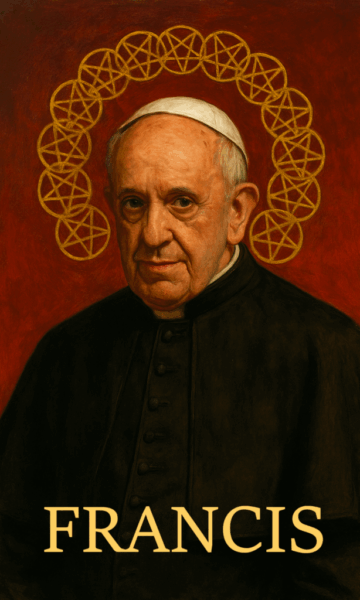
VaticanNews portal reports on a commemorative oratorio, “Francesco: Shepherd of Mercy,” scheduled for April 24, 2026, in Mdina, Malta, marking the first anniversary of the death of Jorge Mario Bergoglio. The event, organized by the Malta Police Force and the Maltese Embassy to the Holy See, aims to celebrate the “pontificate” of this apostate, with proceeds directed to a “Church-run” home. This spectacle, attended by “civil and religious authorities,” is not merely a cultural event but a brazen act of defiance against the immutable Catholic Faith, a further entrenchment of the conciliar sect’s apostasy, and a public endorsement of a man who, *ipso facto*, ceased to be Pope by reason of manifest heresy. It is a sacrilegious tribute to the architect of the “Church of the New Advent,” a man whose “reign” was characterized by the systematic dismantling of Catholic doctrine and the promotion of a naturalistic, man-centered “gospel.”
Leo XIV’s African Tour: A Parade of Diplomacy Without the Gospel
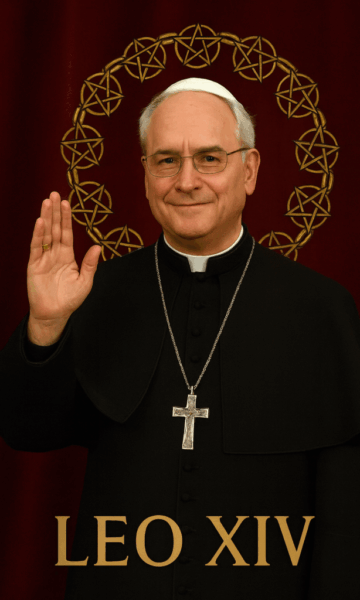
EWTN News Staff reports on the activities of Leo XIV during his visit to Equatorial Guinea on April 21, 2026, the final stop of a broader African tour that included Algeria, Cameroon, and Angola. The “pope” met with President Teodoro Obiang Nguema Mbasogo, civil leaders, the diplomatic corps, cultural figures, and visited a psychiatric hospital in Malabo. He also prayed at St. Elizabeth Cathedral and spoke at the León XIV Campus of the National University. The article presents these activities as routine pastoral diplomacy, devoid of any substantive doctrinal content, evangelistic urgency, or prophetic confrontation with error. This is precisely the problem: the conciliar sect reduces the Church’s mission to humanitarian tourism and interfaith-style dialogue, while the salvation of souls and the public reign of Christ the King are entirely absent.

The Conciliar Sect’s Performance of Child Protection: A Decade of Scandal, a Lifetime of Modernist Evasion
EWTN News reports that U.S. dioceses of the conciliar sect are observing National Child Abuse Prevention Month, with Cardinal Blase Cupich of Chicago and Bishop Barry Knestout of Richmond issuing stat…
Varia
Announcement:
– News feed –implemented
– Antipopes separate web sites with their all documents refutation – in progress