
Antipopes of the Antichurch
News feed
Cameroon’s “Papal Visit Anthem”: A Symphony of Apostasy
The Anthem of the Neo-Church: Unity Without Christ, Faith Without Dogma
The Vatican News portal reports on the release of the official anthem for the upcoming “apostolic journey” of the antipope know…
Brazilian Priest Case Exposes Neo-Church’s Naturalist Complicity
[EWTN News] reports that Brazil’s Supreme Federal Court permanently closed the investigation into Father José Eduardo de Oliveira e Silva, a priest from Osasco, São Paulo, who was named in November 2024 as a suspect in the 2022 attempted coup d’état aimed at preventing the inauguration of President Luiz Inácio Lula da Silva. The investigation, which did not result in formal charges, was dismissed following a request from the priest’s defense. The defense attorney, Miguel Vidigal, stated the priest’s visits to Brasília were for “spiritual care and guidance — nothing more than that,” and criticized media and private individuals for “unfounded and slanderous messages.” The article notes the investigation was part of a broader case involving former President Jair Bolsonaro and military figures, and that the Prosecutor General’s Office did not file charges.
This narrative, presented by a flagship post-conciliar media outlet, is a masterclass in naturalistic obfuscation that systematically erases the supernatural framework of Catholic social doctrine. The article’s very premise—treating a priest’s alleged political activity as a matter for secular courts and public opinion—reveals the profound apostasy of the conciliar sect that now occupies the Vatican. From the perspective of integral Catholic faith, the case is not about “clearing” a name but about exposing a Church that has abandoned its duty to teach the Social Kingship of Christ and has instead embraced the secularist errors condemned by Pius IX.
Bishop Seitz’s Conscience Heresy Exposed
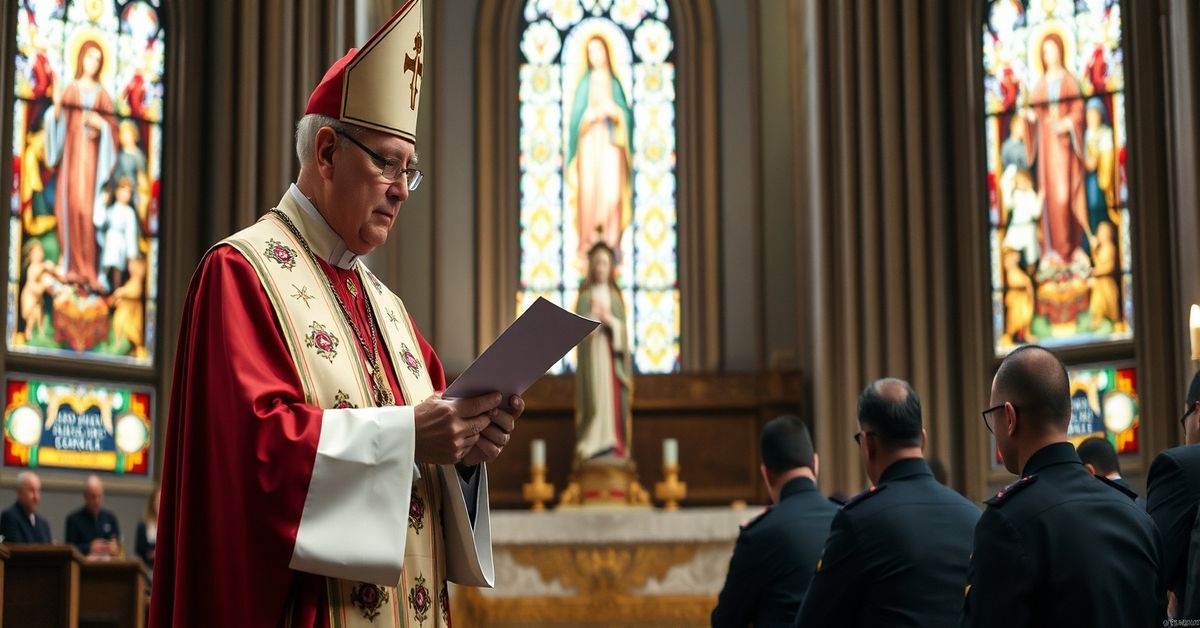
The EWTN News portal reports that “Bishop” Mark Seitz of the Diocese of El Paso, Texas, has issued a pastoral letter calling mass immigration detention and deportation a “grave moral evil” and urging law enforcement officers to “evaluate everything in the light of Christ” and follow their “well-informed conscience” rather than “immoral orders.” This represents a fundamental rejection of Catholic doctrine on authority, the duty of citizens to obey legitimate rulers, and the supernatural end of the state, instead propagating the Modernist, subjectivist error of private judgment condemned by the Church.

The Conciliar Sect’s Distortion of Suffering: Mother Angelica’s Legacy Without Christ the King
The National Catholic Register (March 26, 2026) publishes a commemorative article by “Father” Joseph Mary Wolfe, a priest of the Franciscan Missionaries of the Eternal Word (an EWTN-affiliated community), marking the tenth anniversary of Mother Angelica’s death. The article centers on her personal experience of suffering and her final Good Friday, presenting her life and teachings—particularly her mini-book The Healing Power of Suffering—as a model of uniting personal pain to the crucified Christ for the “salvation of poor sinners.” It frames her legacy as one of tender devotion and redemptive suffering, quoting Romans 8:15b-18 on suffering and glorification. The author emphasizes her physical fragility, the companionship of her nuns in “co-passio” (with-suffering), and the emotional impact of kissing the crucifix’s pierced side. The underlying thesis is that Mother Angelica’s example offers a spiritually beneficial template for navigating suffering, grounded in personal affection and offering pain “with love” for others’ salvation.
Varia
Announcement:
– News feed –implemented
– Antipopes separate web sites with their all documents refutation – in progress