
Antipopes of the Antichurch
News feed

The Usurper’s Ecumenical Scandal: Leo XIV Embraces Anglican Heresy as “Dialogue”
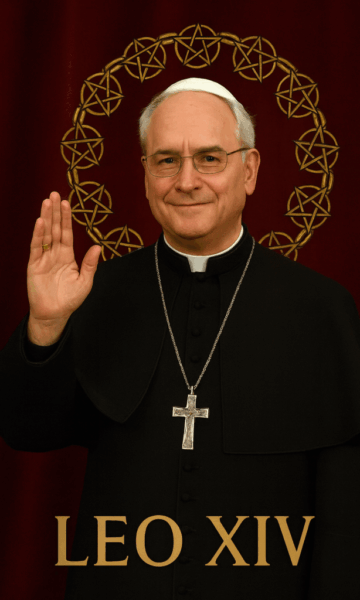
VaticanNews portal reports on April 27, 2026, that the usurper Leo XIV (Robert Prevost) held an audience with Dame Sarah Mullally, the Archbishop of Canterbury, during which he urged Catholics and Anglicans to “proclaim Christ to the world together” while working to overcome divisions, framing this ecumenical collaboration as a “common vocation” and warning that failure to do so would constitute a “scandal.” This meeting, replete with prayer in the Urban VIII Chapel and exchanges of gifts, reveals the conciliar sect’s relentless pursuit of false ecumenism — a direct repudiation of the Church’s immutable teaching that there is no salvation outside the Catholic Church and that dialogue with heretics aimed at “overcoming differences” rather than demanding their conversion is a betrayal of the Most Holy Sacrifice of Calvary.

Paraguayan Bishops’ “Stories of Light”: A Blueprint for Modernist Catechesis Without Dogma
EWTN News reports on a new document from the Paraguayan Bishops’ Conference titled “Stories of Light,” which presents catechesis not as the transmission of immutable Catholic doctrine but as a subjective “experience of grace” aimed at personal transformation, communal integration, and missionary renewal. The document explicitly rejects intellectual formation in favor of emotional experiences, testimonies, and social works, all framed within the post-conciliar paradigm of a “Church that goes out.” This is not catechesis; it is the systematic dismantling of Catholic truth in favor of naturalistic humanism and psychological manipulation.

Leo XIV’s African Journey: A Diplomatic Parade Masking Spiritual Bankruptcy
Vatican News portal reports on the recently concluded apostolic journey of the usurper Leo XIV (Robert Prevost) across four African nations—Algeria, Cameroon, Angola, and Equatorial Guinea. Archbishop José Bettencourt, Apostolic Nuncio to Cameroon and Equatorial Guinea, describes the visit as an opportunity to “touch the joys and sorrows of the body of Christ,” emphasizing messages of peace, economic equality, and social outreach. The article presents the trip as a pastoral success, highlighting visits to hospitals, orphanages, and prisons, while framing the Church’s mission in terms of humanitarian cooperation and diplomatic relations with secular authorities. Behind this veneer of charitable activity lies the complete abandonment of the Church’s supernatural mission and the perpetuation of a modernist revolution that has gutted the Catholic faith.

Seoul’s WYD 2027 Patron Saints: Apostasy Disguised as Holiness
VaticanNews portal reports on the selection of five patron saints for World Youth Day 2027 in Seoul, presenting them as models of faith amid struggle. However, this selection—including a notorious apostate “pope,” a dubiously “canonized” youth, and figures stripped of Catholic context—exposes the conciliar sect’s systematic replacement of supernatural holiness with naturalistic humanism and ecumenical indifferentism, betraying the immutable truth that *extra Ecclesiam nulla salus* (outside the Church there is no salvation).
Varia
Announcement:
– News feed –implemented
– Antipopes separate web sites with their all documents refutation – in progress