
Antipopes of the Antichurch

News feed

Artemis II Mission Exposes the Absence of True Faith in Space Exploration
The article from the National Catholic Register (April 10, 2026) reports on the Artemis II mission, where astronauts proposed naming lunar craters “Integrity” and “Carroll” (after the late wife of astronaut Reid Wiseman). It highlights moments of emotion among the crew and draws a connection to Jesuit contributions to lunar mapping and astronomy, suggesting a continuity between Catholic tradition and modern space exploration. Yet this sentimental narrative obscures the spiritual void at the heart of such endeavors—where personal grief is elevated over divine worship, and scientific achievement is divorced from its ultimate purpose: the glory of God and the salvation of souls.

Catholic Support for Trump Drops Below 50% Amid Iran War: A Moral Reckoning Long Overdue
The cited article from the EWTN News portal reports on a poll conducted March 20–23, 2026, jointly by Shaw & Co. Research and Beacon Research, showing that Catholic voter approval of President Don…

War in Lebanon: When Humanitarian Aid Replaces the Kingship of Christ
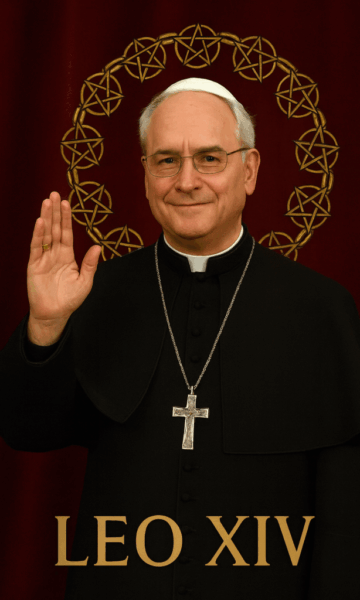
EWTN News portal reports on the ongoing Israeli military campaign in Lebanon, focusing on the humanitarian response of Catholic organizations such as Catholic Relief Services and Jesuit Refugee Service. The article details the April 8, 2026 airstrikes — described as the deadliest of the conflict — which killed over 300 people across southern and eastern Lebanon and in Beirut and its suburbs. Workers from these organizations describe scenes of chaos, trauma, and displacement, with hospitals overwhelmed and shelters at capacity. The article quotes Cedric Choukeir of CRS and Jesuit Father Daniel Corrou, who recount the suddenness of the attacks, the destruction of infrastructure including bridges over the Litani River, and the plight of approximately 150,000 people remaining in the south, including residents of three Christian villages — Debel, Rmeish, and Ain Ebel. Father Corrou echoes the statements of the antipope Leo XIV, who called war “a human failure” and advocated for “dialogue” and “diplomacy” as the path to peace. The article concludes with expressions of cautious hope for a ceasefire and lasting peace. What the article systematically omits is any acknowledgment that the root cause of all wars and social upheavals is the rejection of the Social Kingship of Our Lord Jesus Christ by nations and peoples, and that no lasting peace is possible without the public recognition of His divine authority over all states and rulers.

Tehran Cardinal’s Easter Message Exposes the Conciliar Sect’s Spiritual Bankruptcy and Indifference to True Catholic Doctrine
EWTN News reports that Cardinal Dominique Mathieu, the so-called Archbishop of Tehran-Isfahan, addressed his distant flock from Rome during Easter, emphasizing spiritual unity despite physical separation. Meanwhile, the article details various incidents across the globe: a surge in baptisms in Cambodia, a Filipino bishop’s condemnation of a cruel Easter ritual involving a dove, Lebanese Christians’ fury over Hezbollah and Israeli strikes, the Seoul Archdiocese’s AI initiative inspired by Carlo Acutis, new appointments to the Vatican’s communications dicastery, and vandalism of a French church. These vignettes collectively paint a picture of a world in chaos and a “Church” that has lost its supernatural compass, substituting true doctrine with humanitarian platitudes and technological gimmickry.
Varia
Announcement:
– News feed –implemented
– Antipopes separate web sites with their all documents refutation – in progress