
Antipopes of the Antichurch
News feed

Pope Leo XIV’s Mosque Visit: Apostasy in Sacred Spaces
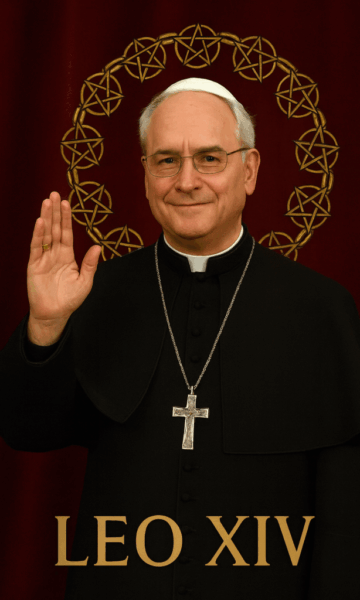
The VaticanNews portal reports that Pope Leo XIV, during his apostolic journey to Algeria, visited the Grand Mosque of Algiers, where he engaged in silent meditation, signed the Book of Honour, and delivered remarks emphasizing “mutual respect,” “coexistence,” and the “search for God” within a mosque—a temple dedicated to the denial of Christ’s divinity and the propagation of Islamic error. This act, far from being a neutral diplomatic gesture, constitutes a public scandal and a manifest violation of Catholic doctrine regarding the exclusive salvific mission of the Church and the duty to profess the faith openly before all men.

The “Elder Brothers” Heresy: How John Paul II’s Synagogue Visit Cemented the Apostasy of Vatican II
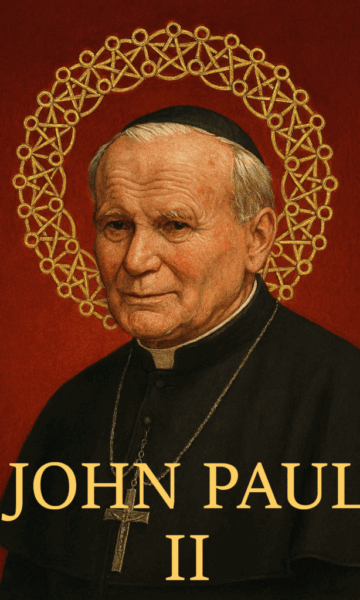
VaticanNews portal reports on the 40th anniversary of John Paul II’s visit to the Great Synagogue of Rome in April 1986, quoting Cardinal Kurt Koch’s effusive praise for this “extraordinary event” that “charted a significant course for the future reconciliation between the Catholic Church and Judaism.” Koch highlights John Paul II’s scandalous declaration that the Jewish religion is “intrinsic” to Catholicism and his reference to Jews as “our elder brothers,” allegedly summarizing “what had been noted by the Council.” This anniversary celebration unrepentantly commemorates one of the most catastrophic acts of the conciliar revolution — a public, ceremonial repudiation of the Church’s exclusive claim to be the sole Ark of Salvation and a formal embrace of the religious indifferentism condemned by every Pope up to and including Pius XII.

When Caesar Attacks the Vicar: Trump, Leo XIV, and the Bankruptcy of Conciliar Catholicism
EWTN News portal reports on the diplomatic and public relations spat between U.S. President Donald Trump and the conciliar figurehead Leo XIV (Robert Prevost), following the latter’s criticism of the Iran war. Trump called Leo “weak on crime and terrible for foreign policy,” prompting a chorus of rebukes from the conciliar “bishops” of the USCCB, who demanded an apology and invoked “civility” and “dialogue.” The incident also involved Trump posting, then deleting, an AI-generated image of himself as Jesus Christ, which was widely condemned as blasphemous. The entire spectacle—a temporal ruler publicly insulting a claimant to the papacy, and the latter responding with diplomatic platitudes about “speaking Gospel truths”—is a perfect, tragicomic illustration of the complete inversion of the divine order, where the spiritual sword is subordinated to, and mocked by, the secular power, and both operate within a framework of naturalism utterly devoid of the supernatural reign of Christ the King.
Pilgrim of the New World Order: Leo XIV’s Algerian Apostasy
National Catholic Register portal reports on April 13, 2026, that the usurper Robert Prevost, styling himself “Pope Leo XIV,” presented himself to Algeria’s diplomatic corps as a “pilgrim of peace” — a title that, stripped of Catholic substance, reveals the full extent of the conciliar sect’s capitulation to the spirit of the world and its project of universal syncretism.
Varia
Announcement:
– News feed –implemented
– Antipopes separate web sites with their all documents refutation – in progress